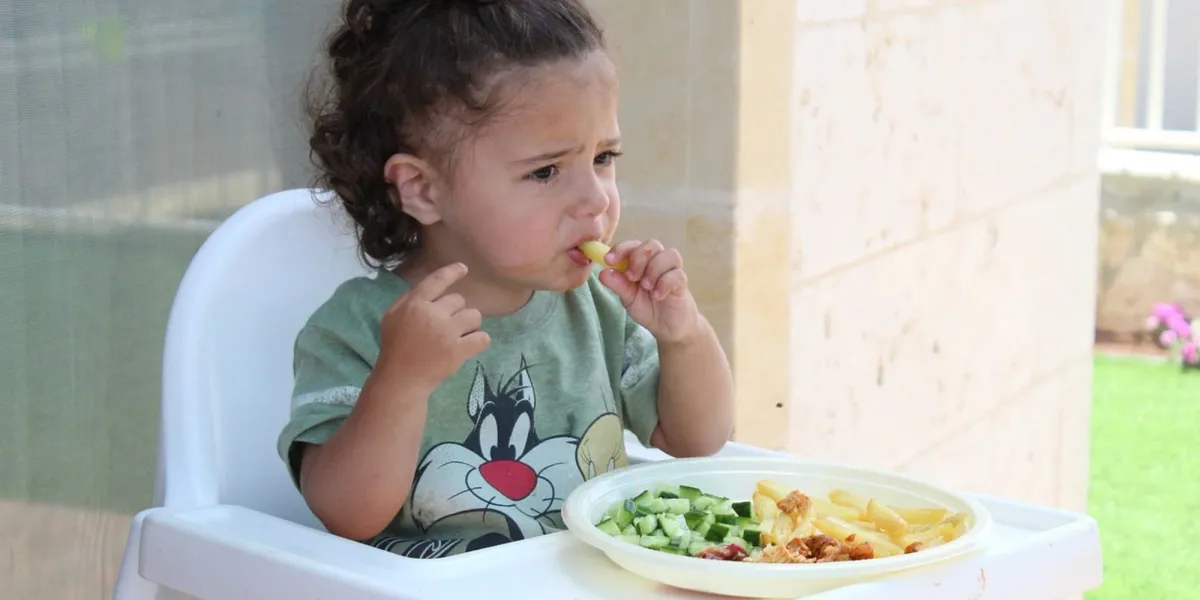
As babies grow, they reach significant milestones that bring joy and excitement to every parent. One crucial phase is introducing solid foods, and there are two primary methods: Baby-Led Weaning (BLW) and Traditional Weaning (TW). Both approaches have their advantages, and understanding the differences can help parents choose the best fit for their child. In this guide, we’ll explore both methods in detail, highlighting the pros and cons, along with expert tips to help parents navigate this important baby milestone.
Understanding Weaning: What Is It?
Weaning refers to the gradual introduction of solid foods to a baby’s diet, alongside breast milk or formula. It marks a key developmental milestone, typically starting around 6 months of age. The two most common approaches to weaning are Baby-Led Weaning and Traditional Weaning. Let's take a deeper look into each method.
Baby-Led Weaning (BLW)
Baby-Led Weaning is a self-feeding approach where babies are encouraged to feed themselves from the start, instead of being spoon-fed purées. Parents offer solid, finger-sized foods, and the baby eats at their own pace.
Key Features of BLW:
- Self-Feeding:
Babies feed themselves using their hands, developing their motor skills and independence.
- Whole Foods:
Rather than purées, babies are given soft, manageable finger foods like steamed vegetables, fruits, and soft-cooked meats.
- Control and Exploration:
Babies control the pace, deciding how much or little to eat. This encourages exploration of textures, flavors, and colors.
Benefits of Baby-Led Weaning:
- Improves Motor Skills:
BLW helps in developing hand-eye coordination and fine motor skills as babies practice grasping and eating.
- Prevents Overeating:
Since babies control how much they eat, it promotes healthy appetite regulation and reduces the likelihood of overeating.
- Family Meals:
With BLW, babies can eat similar foods as the rest of the family, making mealtime a shared experience.
Challenges of BLW:
- Messy Mealtimes:
Self-feeding can be messy, and cleaning up after meals takes extra time.
- Choking Risks:
Parents need to ensure that foods are soft and cut appropriately to minimize choking hazards.
- Nutrient Monitoring:
Babies may not always get enough nutrients like iron, which requires parents to closely monitor their diet.
Traditional Weaning (TW)
In Traditional Weaning, babies are typically spoon-fed by their parents, starting with purées and gradually moving to mashed or solid foods as they develop chewing and swallowing skills.
Key Features of TW:
- Spoon-Feeding:
Parents or caregivers feed the baby, beginning with smooth purées and transitioning to thicker foods over time.
- Gradual Texture Progression:
Foods start as thin purées and are slowly made thicker or chunkier as the baby becomes accustomed to chewing.
- Controlled Portions:
Parents decide how much to feed their baby, ensuring they get enough nutrients.
Benefits of Traditional Weaning:
- Precise Nutrient Control:
Parents can ensure that babies consume the right amount of essential nutrients, like iron and calcium, in every meal.
- Less Messy:
Spoon-feeding tends to be cleaner than BLW, with less food thrown or dropped on the floor.
- Fewer Choking Concerns:
Since purées are easier to swallow, the risk of choking is significantly reduced.
Challenges of Traditional Weaning:
- Delayed Motor Skills:
Spoon-feeding doesn’t provide the same opportunities for babies to develop fine motor skills and coordination.
- Less Autonomy for the Baby:
Parents control the feeding process, which may limit a baby's ability to self-regulate their hunger and fullness.
- Transition to Solids:
The shift from purées to solid foods can sometimes be challenging for babies who have become used to smooth textures.
Baby-Led Weaning vs. Traditional Weaning: Key Differences
Traditional Weaning
- Feeding Method
Baby self-feeds using finger foods.
- Food Type
Transitioning from purées to solids with finger foods and whole foods.
- Control
Babies decide how much to eat.
- Motor Skill Development
Enhances hand-eye coordination through self-feeding.
- Choking Risk
Prepared with care to ensure food is safe and manageable.
- Messiness
More mess as baby explores.
Baby-Led Weaning
- Feeding Method
Parent spoon-feeds baby purées.
- Food Type
Primarily purées, gradually introducing solids.
- Control
Parents control portion sizes.
- Motor Skill Development
Limited motor skill practice as baby relies on spoon-feeding.
- Choking Risk
Choking risk is minimized through smooth purées.
- Messiness
Less mess, more control over feeding.
How to Choose the Right Method for Your Baby
When deciding between Baby-Led Weaning and Traditional Weaning, it's important to consider your baby’s unique needs, family lifestyle, and comfort level with each approach.
Factors to Consider:
- Baby’s Development:
Is your baby showing signs of readiness for self-feeding, such as sitting up without support and bringing objects to their mouth?
- Parental Preference:
Do you prefer a more hands-on feeding approach, or are you comfortable with a bit of mess as your baby explores food independently?
- Time and Patience:
BLW can be time-consuming and requires patience, while TW may be quicker but more controlled.
- Dietary Needs:
In some cases, babies may need specific nutrients that are easier to control through traditional methods.
Can You Combine Both Methods?
Many parents find success in blending the two approaches. This means starting with spoon-fed purées and gradually introducing finger foods as the baby grows more comfortable. This hybrid approach offers flexibility, combining the advantages of both methods.
Benefits of a Hybrid Approach:
- Balanced Nutrient Intake:
You can start with purées to ensure proper nutrition, then introduce whole foods to encourage self-feeding and motor skill development.
- Smooth Transition:
By incorporating finger foods early on, babies become more familiar with different textures, making the eventual shift to solids easier.
- Reduced Stress:
A flexible approach helps reduce stress for parents who may not feel ready to commit fully to BLW but still want to let their baby explore food.
Tips for Safe Weaning
Regardless of the method you choose, safety is always a priority when introducing solid foods. Here are some tips to ensure your baby has a safe and enjoyable weaning experience:
- Always Supervise:
Stay close while your baby eats to reduce the risk of choking.
- Offer Soft, Easy-to-Chew Foods:
Whether using BLW or TW, start with foods that are soft and easy for your baby to handle.
- Cut Food Appropriately:
Make sure foods are cut into small, manageable pieces that reduce choking hazards.
- Start Slowly:
Introduce one food at a time, especially when starting with solids, to monitor for allergies.
- Stay Patient:
Every baby is different. Don’t worry if your baby takes time to adjust to new foods or textures.
Conclusion
Choosing between Baby-Led Weaning and Traditional Weaning is a personal decision that depends on your baby’s development and your parenting style. Both methods can be successful in helping babies transition to solid foods. The most important thing is to follow your baby’s cues, keep meals safe, and enjoy the process of introducing them to the world of food.
If you're uncertain, a combination of both methods might be the ideal solution, allowing you to tailor the weaning process to your baby’s needs while giving them a positive and safe experience. Happy weaning!
Popular Posts