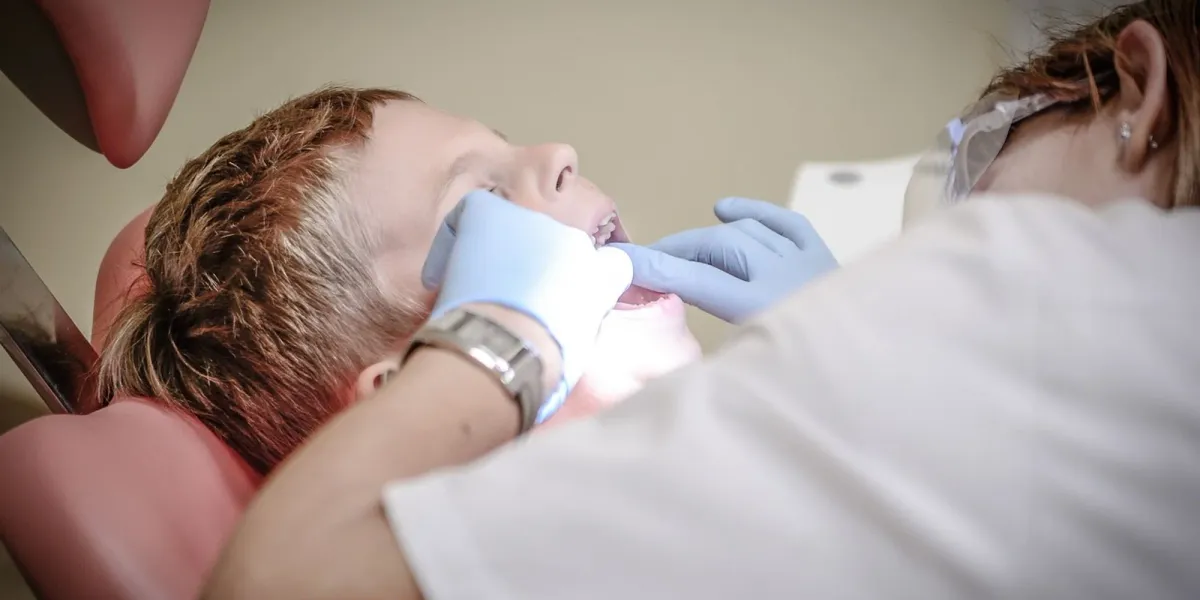
As new parents, navigating the myriad of responsibilities that come with raising a child can be overwhelming, especially when it comes to ensuring their health and well-being. One crucial aspect that often gets overlooked is early dental care. Establishing good oral hygiene habits in babies and toddlers sets the stage for a lifetime of healthy teeth and gums. This article will explore the significance of early dental care, provide practical tips for parents, and highlight common milestones related to your child's dental development.
Importance of Early Dental Care
Just like physical health, oral health is vital for a child’s overall well-being. Dental care for babies and toddlers is essential for several reasons:
- Prevention of Tooth Decay:
Even though baby teeth are temporary, they play a crucial role in a child's development. Tooth decay in infants and toddlers can lead to severe pain, infection, and complications that may affect their permanent teeth.
- Formation of Healthy Habits:
Introducing dental care at an early age helps children develop a positive attitude toward oral hygiene. By establishing a routine of brushing and flossing, parents can instill lifelong habits that promote good dental health.
- Nutrition and Development:
Healthy teeth are essential for proper chewing and digestion. If a child experiences tooth decay or pain, it can hinder their ability to eat, leading to nutritional deficiencies.
- Speech Development:
Proper oral health contributes to clear speech. Issues with teeth can affect a child's ability to pronounce words correctly.
- Preventing Future Dental Issues:
Early dental care can help identify potential issues before they become significant problems. Regular check-ups can catch developmental concerns, such as alignment and spacing, early on.
When to Start Dental Care
Many parents wonder when they should start caring for their baby’s teeth. Here’s a timeline to help you:
- Before the First Tooth:
Dental care begins before the first tooth erupts. Clean your baby’s gums with a soft, damp cloth after feedings. This practice helps remove any residual milk and reduces the risk of bacterial growth.
- First Tooth Eruption:
The first tooth usually appears between six months and one year. As soon as the first tooth erupts, it’s time to introduce a soft-bristled toothbrush. Use a tiny smear of fluoride toothpaste (about the size of a grain of rice) and brush gently.
- Regular Brushing:
By age two, increase the amount of toothpaste to a pea-sized amount. Brush your toddler's teeth twice a day, ideally after breakfast and before bedtime.
- Flossing:
Once two teeth touch, usually around age two or three, it's essential to start flossing. Flossing helps remove plaque and food particles from between teeth where a toothbrush may not reach.
- First Dental Visit:
The American Academy of Pediatric Dentistry recommends that children have their first dental visit by age one or within six months of the first tooth eruption. Early visits establish a dental home and allow the dentist to monitor your child's dental development.
Tips for Parents
- Create a Routine:
Establishing a daily oral hygiene routine helps children become accustomed to brushing and flossing. Make it fun by singing a song or using a timer.
- Be a Role Model:
Children learn by observing their parents. Brush your teeth together to encourage your little one to participate actively.
- Choose the Right Toothbrush:
Use a toothbrush designed for infants or toddlers. These brushes have smaller heads and softer bristles, making them easier for little hands to manage.
- Avoid Sugary Snacks and Drinks:
Limit sugary foods and beverages, as they can contribute to tooth decay. Instead, offer healthy snacks like fruits and vegetables, and opt for water or milk over juice.
- Regular Dental Check-ups:
Schedule regular dental visits every six months. These visits allow the dentist to check for early signs of decay and provide guidance on your child's specific dental needs.
- Stay Informed:
Keep yourself updated on dental health practices. Educate yourself on the latest research and recommendations regarding early dental care.
Milestones in Dental Development
Understanding the typical milestones in dental development can help you monitor your child’s progress and recognize when to seek professional help.
- Eruption of Baby Teeth:
Baby teeth typically begin to emerge between six months and one year. The lower central incisors are usually the first to come in, followed by the upper central incisors. By age three, most children will have all 20 baby teeth.
- Transition to Adult Teeth:
Children usually start losing their baby teeth around age six, with the process continuing until about age twelve. Adult teeth begin to emerge during this time, replacing the baby teeth.
- Orthodontic Evaluation:
It’s advisable to have an orthodontic evaluation around age seven. Early assessments can help identify potential alignment issues, allowing for timely interventions if necessary.
- Continuous Care:
As children grow, their dental care needs will change. Be proactive in monitoring their dental health and adjust care routines as needed.
Conclusion
Early dental care for babies and toddlers is a critical component of overall health and development. By establishing good oral hygiene habits early on, parents can help prevent tooth decay, support healthy growth, and set the foundation for a lifetime of excellent dental health. Remember, the goal is to make dental care a positive and engaging experience for your child. Embrace these milestones, and take pride in providing your little one with the best start for a bright and healthy future!
Feel free to modify any sections to better fit your blog's tone or specific requirements.
Popular Posts

Signs of Developmental Delays in Toddlers
As a parent, watching your baby grow and reach new...
Date | 10/12/2024
Building Immunity Through Nutrition and Play
As parents, we all want our little ones to grow up...
Date | 10/11/2024