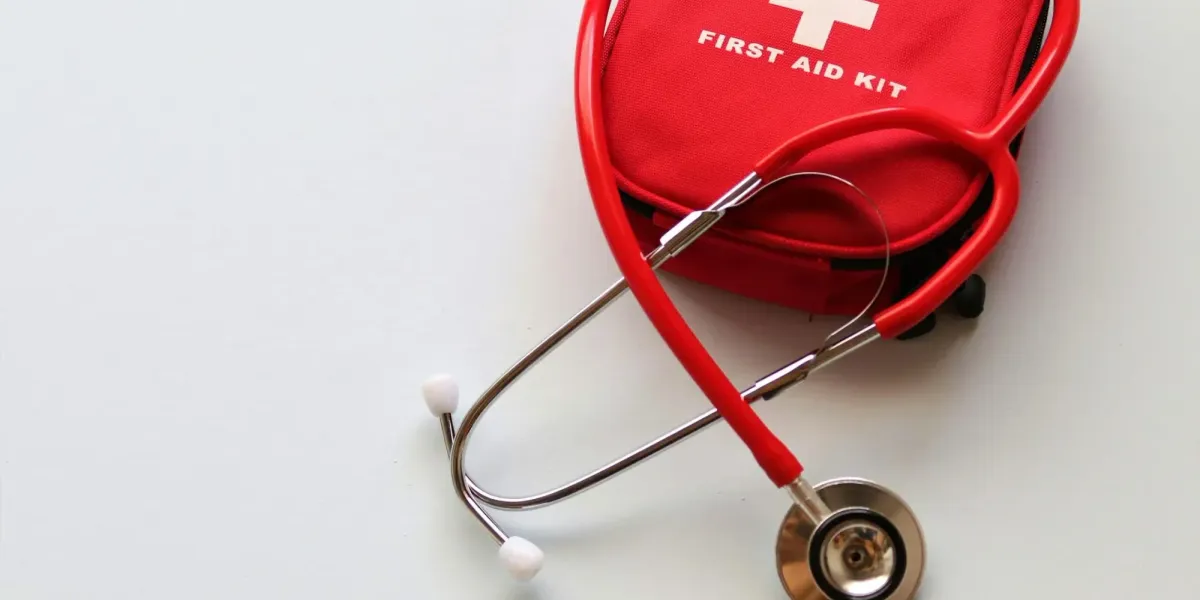
As parents, ensuring the health and safety of our children is a top priority. Accidents can happen anytime and anywhere, making it crucial for parents to be prepared. Understanding basic first aid can help you respond effectively in emergencies and give you peace of mind. In this article, we'll cover essential first aid essentials for parents, including creating a first aid kit, handling common injuries, and when to seek professional help.
1. Creating a First Aid Kit
A well-stocked first aid kit is the first step in being prepared for any minor emergencies. Here’s a list of essential items to include in your kit:
- Adhesive bandages :
Various sizes for cuts and scrapes.
- Sterile gauze pads :
For larger wounds.
- Adhesive tape :
To secure gauze pads.
- Antiseptic wipes :
To clean wounds and prevent infection.
- Antibiotic ointment :
To apply after cleaning a wound.
- Hydrocortisone cream :
For itch relief from insect bites or rashes.
- Tweezers :
For removing splinters or ticks.
- Scissors:
To cut tape or clothing.
- Instant cold packs :
To reduce swelling.
- Pain relievers :
Child-safe acetaminophen or ibuprofen.
- Thermometer :
To check for fever.
- First aid manual :
A reference guide for emergencies.
Store your first aid kit in an easily accessible location and make sure to check its contents regularly, replacing any expired items.
2. Handling Common Injuries
Knowing how to respond to common injuries can make all the difference in ensuring your child’s safety. Here are some quick tips:
- Cuts and Scrapes :
Clean the wound with soap and water, apply an antiseptic wipe, and cover it with a bandage. Watch for signs of infection, such as increased redness, swelling, or pus.
- Burns :
For minor burns, run cool (not cold) water over the area for at least 10 minutes. Cover with a clean, non-stick bandage. Seek medical help for severe burns or if the burn covers a large area.
Sprains and Strains : Use the R.I.C.E. method:
- Rest
Avoid using the injured area.
- Ice
Apply ice packs for 15-20 minutes every hour.
- Compression
Use an elastic bandage to support the injury.
- Elevation
Keep the injured area raised above heart level.
- Choking:
For children over one year old, perform the Heimlich maneuver by standing behind them, placing your arms around their waist, and delivering upward thrusts. For infants, hold them face down on your forearm and give five back blows followed by five chest thrusts.
- Allergic Reactions :
If your child has known allergies, always carry their epinephrine auto-injector (EpiPen). If they show signs of an allergic reaction, administer the EpiPen and call for emergency help immediately.
3. When to Seek Professional Help
While many injuries can be treated at home, there are times when professional medical assistance is necessary. Contact your doctor or take your child to the emergency room if:
The injury is severe or won’t stop bleeding.
There are signs of a concussion, such as confusion, dizziness, or vomiting.
The child has difficulty breathing or swelling of the face or throat.
You are unsure how to treat the injury or if you feel it requires professional evaluation.
Conclusion
Being prepared for emergencies is essential for any parent. Understanding basic first aid can equip you to handle minor injuries and ensure your child's safety. By creating a well-stocked first aid kit, knowing how to respond to common injuries, and recognizing when to seek professional help, you can feel more confident in your ability to protect your child’s health. Remember, staying calm in emergencies is key, and your preparedness will help you navigate these situations effectively.
Stay safe, and take the time to familiarize yourself with first aid techniques – it could make all the difference!
Popular Posts

Managing Baby's Exposure to Screen Time
In today's digital world, screens are everywhere—f...
Date | 10/14/2024

Key Health Tips for New Parents
When it comes to parenting, one of the top priorit...
Date | 10/7/2024