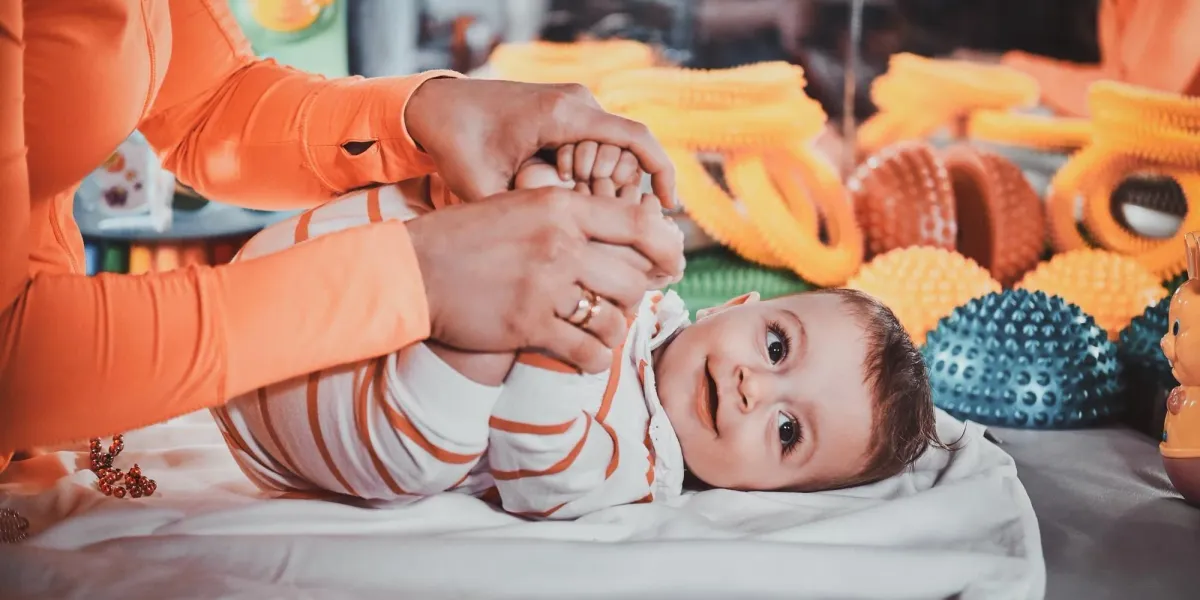
As a parent, your newborn's health and well-being is your top priority. Among the many ways to care for your baby, baby massage stands out as a nurturing practice that promotes bonding, relaxation, and physical growth. Not only does it calm your little one, but it also has a range of health benefits, from improving digestion to strengthening their immune system.In this guide, we’ll walk you through essential baby massage tips to ensure a safe and soothing experience for your newborn.
Benefits of Baby Massage
Before diving into the tips, let’s explore why baby massages are a vital part of newborn care:
- Promotes Relaxation:
Gentle massages help your baby relax, reducing irritability and fussiness.
- Improves Sleep:
Regular massages can help your newborn sleep better by promoting a sense of calm.
- Enhances Bonding:
The skin-to-skin contact during massage strengthens the bond between parent and baby.
- Boosts Circulation:
Massaging your baby improves blood circulation, helping in better growth and development.
- Aids Digestion:
Tummy massages can relieve gas and constipation, making your baby more comfortable.
When to Start Baby Massage
Experts suggest waiting until your baby is a few weeks old before starting regular massages. By this time, your baby’s skin has had time to adjust to the outside world, and they can better respond to touch. For newborns, start with short, gentle massages of 5-10 minutes, gradually increasing the duration as your baby grows.
Baby Massage Tips for Newborn Care
- Create a Calm Environment:
Choose a quiet, warm, and comfortable space for massaging your baby. You can play soft music or dim the lights to create a soothing atmosphere. This helps your baby associate massage time with relaxation.
- Use the Right Oils:
For newborns, it’s important to use natural, gentle oils like coconut oil, almond oil, or baby-safe massage oils. Always do a patch test on a small area of your baby’s skin before using any product to ensure there’s no allergic reaction.
- Be Gentle with Pressure:
Your baby’s skin is delicate, so always use gentle, slow strokes. Avoid pressing too hard, especially on the tummy or chest areas. Instead, apply light, rhythmic movements using your fingertips.
- Start with the Legs:
The legs are a great place to begin as they are less sensitive than other parts of the body. Gently massage the thighs and feet using upward strokes. This can help your baby relax and get used to the sensation before moving on to other parts of the body.
- Focus on the Tummy for Digestive Health
If your baby is experiencing gas or colic, a gentle tummy massage can offer relief. Use your fingers to draw small circles in a clockwise direction on your baby’s tummy. This technique helps to stimulate digestion and relieve discomfort.
- Massage the Back for Relaxation
After massaging the legs and tummy, gently turn your baby onto their tummy and use smooth strokes on their back. This is particularly effective in calming babies and helping them fall asleep.
- Watch Your Baby’s Cues
Every baby is different. If your baby shows signs of discomfort or becomes fussy, stop the massage. Similarly, if they seem relaxed and content, you can continue massaging. Always follow your baby’s lead.
How Often to Massage Your Baby
There is no strict rule about how often you should massage your baby. Some parents choose to do it daily, while others prefer a few times a week. The key is consistency. Regular massages, whether after bath time or before bed, help to establish a routine that your baby looks forward to.
A Few Safety Tips to Remember
- Avoid Massaging After Feeding:
Wait at least 30 minutes after feeding to prevent any discomfort or spit-ups during the massage.
- Stay Warm:
Keep the room warm and use a soft towel or blanket to cover any parts of your baby’s body that aren’t being massaged.
- Avoid Sensitive Areas:
Be mindful of your baby’s head, face, and soft spots. These areas are sensitive and should be handled with extra care.
Conclusion
Incorporating baby massages into your newborn care routine can be a rewarding experience for both you and your baby. It’s a simple yet powerful way to connect, promote your baby’s well-being, and create a calm and nurturing environment.
For more parenting tips, don’t forget to explore our [Parenting section] on KidsNames.in!
Popular Posts





Newborn Care Basics for New Parents
Becoming a parent is an exhilarating experience, b...
Date | 10/3/2024