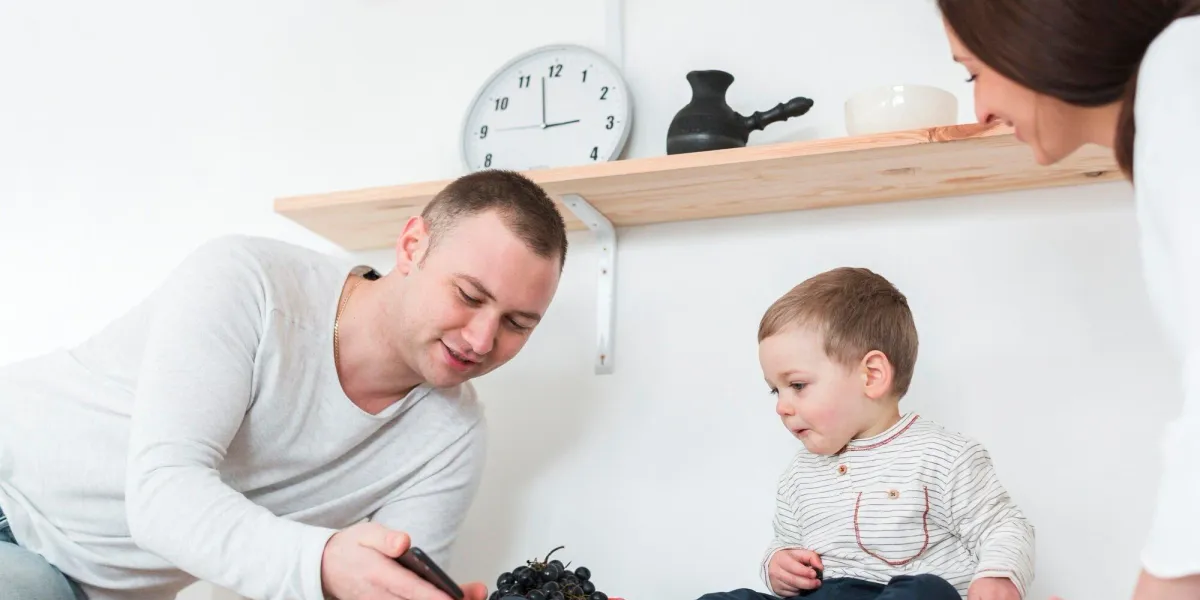
Teaching patience to babies is an important aspect of parenting that lays the foundation for emotional regulation and social skills as they grow. Here’s how you can introduce the concept of patience to your little ones through engaging activities and mindful parenting techniques.
1. Understanding Patience in Infants
Before diving into methods for teaching patience, it's essential to understand that infants are naturally impulsive. They respond to their needs and desires immediately, as their understanding of the world is limited. Thus, patience is not an inherent trait but a skill that can be nurtured over time.
2. Modeling Patience
Babies learn through observation. By modeling patience in your daily interactions, you provide a live example for your child. For instance, when waiting in line at the grocery store, you can express your patience verbally, saying, “We will get our turn soon.” Your calm demeanor and positive attitude will teach them that waiting can be a part of life.
3. Engaging in Waiting Games
Introduce fun waiting games that require minimal supplies but a lot of creativity. Here are a few ideas:
- Bubble Blowing:
Blow bubbles and encourage your baby to wait for them to pop. This activity helps them understand the concept of anticipation.
- Treasure Hunts:
Treasure Hunts:
4. Creating a Routine
Establishing a daily routine can help babies understand time intervals. For example, incorporate specific times for meals, play, and nap. Knowing what to expect can make waiting feel less challenging for babies.
5. Practice Patience with Feeding Time
During feeding time, practice patience by taking breaks between bites. You can encourage your baby to wait by saying, “Let’s count to five before the next bite.” This helps them understand the concept of waiting and builds their patience over time.
6. Using Books and Stories
Storytime is not just an entertaining activity; it's also an opportunity to teach patience. Choose stories that emphasize waiting or patience, like “Waiting Is Not Easy” by Mo Willems. Discuss the story with your baby and highlight the moments when characters had to wait.
7. Encouraging Self-Soothing Techniques
Teaching your baby self-soothing techniques can help them manage their impatience. Encourage practices such as deep breathing or cuddling a favorite toy when they feel anxious about waiting. These techniques can provide comfort and develop emotional regulation skills.
8. Celebrating Small Wins
When your baby demonstrates patience, even in small ways, celebrate their success. Praise them for waiting for their turn or for being patient during a delay. Positive reinforcement builds their confidence and reinforces the behavior.
9. Be Patient Yourself
Finally, remember that patience is a virtue that you must embody as a parent. Babies can sense your feelings, so when you practice patience, you set a powerful example. If you’re feeling frustrated, take a deep breath and remind yourself that learning takes time—for both you and your child.
By introducing patience in playful, engaging, and loving ways, you’ll help your baby develop an essential life skill that will benefit them as they grow. Remember, teaching patience is not just about waiting; it’s about nurturing emotional intelligence and resilience in your little ones.
Popular Posts

Top 10 Parenting Books in the U.S. Every Parent Should Read (2025 Guide)
Parenting is rewarding, emotional, and sometimes o...
Date | 12/11/2025
Parenting Styles: Which One Fits Your Family Best?
Parenting is a beautiful journey—but it doesn't co...
Date | 12/11/2025
Top 10 Parenting Apps Every Modern Parent Should Use
Parenting in today's digital age comes with new ch...
Date | 12/11/2025
Creating a Calm Home Environment
Creating a calm home environment is essential for...
Date | 10/14/2024

Stress Management for New Parents
Becoming a parent is one of the most rewarding exp...
Date | 10/7/2024