
Parenting is an incredible journey filled with joy, challenges, and growth, both for you and your child. Among the most critical aspects of raising a child is nurturing their bonding and social skills. Strong parent-baby bonding and effective social interactions lay the foundation for emotional intelligence, confidence, and successful relationships later in life. In this article, we will explore essential activities and strategies for fostering these vital skills in your little ones.
Parent-Baby Bonding Activities
Bonding with your baby is one of the most rewarding experiences as a parent. Engaging in bonding activities not only strengthens your relationship but also promotes emotional security in your child. Here are a few activities to try:
- Skin-to-Skin Contact:
This simple yet effective practice is beneficial for both newborns and parents. Holding your baby against your skin promotes warmth, comfort, and a strong emotional connection.
- Reading Together:
Start reading to your baby early on. The soothing sound of your voice combined with the rhythm of the words creates a sense of security. Choose colorful picture books to capture their attention.
- Singing and Talking:
Your baby loves the sound of your voice! Singing lullabies or talking to them during daily routines can help foster that bond. It enhances their language development and strengthens your emotional connection.
- Playtime:
Engaging in interactive play, such as peek-a-boo or gentle tickling, helps to develop trust and affection between you and your baby. Play not only entertains but also serves as a great bonding experience.
- Routine Establishment:
Create routines around feeding, bathing, and bedtime. Consistent routines provide a sense of security, making your child feel more connected to you.
Encouraging Play with Others
As your child grows, facilitating opportunities for them to play with others is vital for their social development. Here are some strategies to encourage social interaction:
- Playdates:
Organize regular playdates with friends or neighbors. These informal gatherings help children learn to share, take turns, and cooperate with peers.
- Group Activities:
Enroll your child in group classes or activities like music, dance, or sports. Participating in these settings allows them to meet new friends and develop teamwork skills.
- Community Events:
Attend community gatherings or family-friendly events. Exposure to diverse social situations helps your child learn to navigate different interactions.
- Supervised Interaction:
Observe your child during their playtime with others. This supervision allows you to step in when needed, offering guidance on social skills and conflict resolution.
- Encouraging Communication:
Teach your child how to express themselves and communicate effectively with others. Role-playing different scenarios can be a fun way to practice.
Developing Empathy in Toddlers
Empathy is a crucial social skill that can be nurtured from a young age. Here are some methods to help develop empathy in your toddler:
- Model Empathetic Behavior:
Children learn by observing. Demonstrate empathy in your interactions with others. Use phrases like “I understand how you feel” when discussing emotions.
- Discuss Emotions:
Talk about feelings openly. Encourage your child to express their emotions and help them identify feelings in others by asking questions like, “How do you think that made them feel?”
- Read Books about Emotions:
Choose storybooks that explore different emotions and situations. Discuss the characters’ feelings and how they might react to various scenarios.
- Encourage Helping Behaviors:
Promote kindness by involving your child in acts of service, such as helping a friend or participating in community service. Praise their efforts, reinforcing the importance of helping others.
- Provide Opportunities for Reflection:
After a social interaction, ask your child about their experience. Discuss what went well and how they could approach similar situations differently in the future.
Managing Separation Anxiety
Separation anxiety is a normal part of childhood development. It typically arises between 8 and 18 months, as children begin to understand object permanence—the concept that things exist even when they can’t see them. Here are some tips for managing separation anxiety:
- Create a Goodbye Ritual:
Establish a consistent and short goodbye routine. This could involve a special hug or wave. Keeping it brief can help ease anxiety.
- Practice Short Separations:
Gradually increase the length of time apart. Start with brief separations, allowing your child to build confidence in your return.
- Stay Calm:
Your child can sense your emotions. Stay calm and reassuring during separations to instill confidence in them.
- Talk About the Separation:
Before the separation, discuss where you will be and when you will return. This helps your child understand what to expect.
- Encourage Independence:
Encourage your child to explore and play independently while assuring them that you are nearby. This promotes confidence in their ability to manage separations.
Conclusion
Nurturing bonding and social skills in your child is a vital part of parenting that fosters emotional intelligence and relationship-building capabilities. By engaging in bonding activities, encouraging play with others, developing empathy, and managing separation anxiety, you can help your child grow into a confident, empathetic individual. Remember, every child is unique, so be patient and flexible in your approach as you guide them through this beautiful journey of growth and discovery.
For more information on bonding and social skills, check out our guides on kidsnames.in.
Popular Posts

Encouraging Speech and Communication in Groups
As parents, one of the most thrilling parts of wat...
Date | 10/12/2024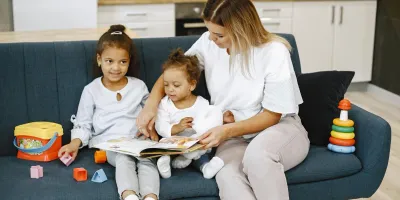
Teaching Kindness and Sharing in Toddlers
As parents, we often find ourselves celebrating ou...
Date | 10/12/2024
Strengthening Parent-Toddler Bonds Through Stories
As your toddler grows, every moment feels precious...
Date | 10/11/2024