
As parents, one of the most thrilling parts of watching your child grow is witnessing their developmental milestones, especially when it comes to speech and communication. Communication is a vital skill that enables toddlers to express their needs, understand the world around them, and build relationships with others. This article explores effective strategies for encouraging speech and communication in group settings, laying a strong foundation for your child’s future social interactions.
1. The Importance of Early Communication
Before diving into strategies, it’s crucial to understand why fostering communication skills early on is essential. Research shows that early speech development significantly impacts cognitive skills and emotional intelligence. Children who develop strong communication skills can articulate their feelings, navigate social situations, and perform better academically. Group settings, such as playdates or daycare, are ideal for encouraging these essential skills.
2. Creating a Rich Language Environment
To promote speech development in group settings, ensure your child is surrounded by a rich language environment. Here are some ways to achieve this:
- Read Aloud:
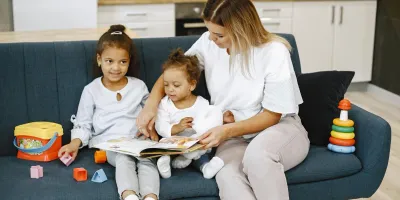
Engage your child and their peers with captivating stories. Choose books with repetitive phrases and engaging illustrations to stimulate conversations.
- Expand on Their Words:
When your child uses simple words or phrases, expand on them. For example, if they say “dog,” you can respond with, “Yes, that’s a big, fluffy dog!” This technique encourages them to use more complex sentences.
- Encourage Interactive Play:
Group activities, such as building blocks or arts and crafts, provide opportunities for your child to express themselves verbally and learn from their peers.
3. Promoting Group Conversations
Encouraging your child to communicate in groups can be achieved through various interactive techniques:
- Facilitate Group Activities:
Organize group activities that require communication, such as storytelling sessions or puppet shows. These activities encourage toddlers to express themselves while interacting with others.
- Practice Turn-Taking:
Teach your child the importance of taking turns during conversations. Use games like “Simon Says” to practice listening and responding, which helps develop patience and social skills.
- Model Good Communication:
Demonstrate effective communication by engaging in conversations with other adults or older children. Your child will learn how to communicate effectively by observing how you interact with others.
4. Encouraging Questions and Curiosity
Fostering a sense of curiosity in toddlers is essential for developing their communication skills. Here’s how to encourage questioning:
- Be Responsive:
When your child asks questions, always take the time to respond thoughtfully. This not only validates their curiosity but also encourages them to ask more questions.
- Encourage Peer Interaction:
Create opportunities for your child to interact with peers. Peer conversations often inspire questions and discussions, enhancing their communication skills.
- Use Open-Ended Questions:
When interacting with your child, use open-ended questions that require more than a yes or no answer. For example, instead of asking, “Did you have fun?” ask, “What did you enjoy the most about the game?” This encourages them to articulate their thoughts more fully.
5. Celebrating Progress
As your child begins to develop their speech and communication skills, celebrate their progress. Acknowledging their achievements, whether big or small, boosts their confidence and encourages further development. Here are some ways to celebrate:
- Praise Efforts:
Offer positive reinforcement when your child communicates effectively. Celebrate their attempts to express themselves, even if they struggle.
- Share Milestones with Others:
In group settings, share your child’s communication milestones with other parents. This can inspire collaboration and exchange of ideas to support each child’s growth.
- Keep a Journal:
Document your child’s speech milestones and share these moments with friends and family. This not only highlights their progress but also fosters a supportive community around your child’s development.
Conclusion
Encouraging speech and communication in babies and toddlers is essential for their social and emotional development. By creating a rich language environment, facilitating group conversations, and celebrating milestones, you can support your child in becoming a confident communicator. Remember, every child develops at their own pace, so be patient and supportive throughout their journey.
If you found this article helpful, be sure to explore more resources on our blog at KidsNames.in. Share your experiences and tips on encouraging communication in group settings in the comments below. Let’s build a supportive community for parents and caregivers dedicated to nurturing our children’s development!
Popular Posts
Teaching Kindness and Sharing in Toddlers
As parents, we often find ourselves celebrating ou...
Date | 10/12/2024
Strengthening Parent-Toddler Bonds Through Stories
As your toddler grows, every moment feels precious...
Date | 10/11/2024
Parenting Tips for Toddler Connections
Parenting is an incredible journey filled with joy...
Date | 10/7/2024