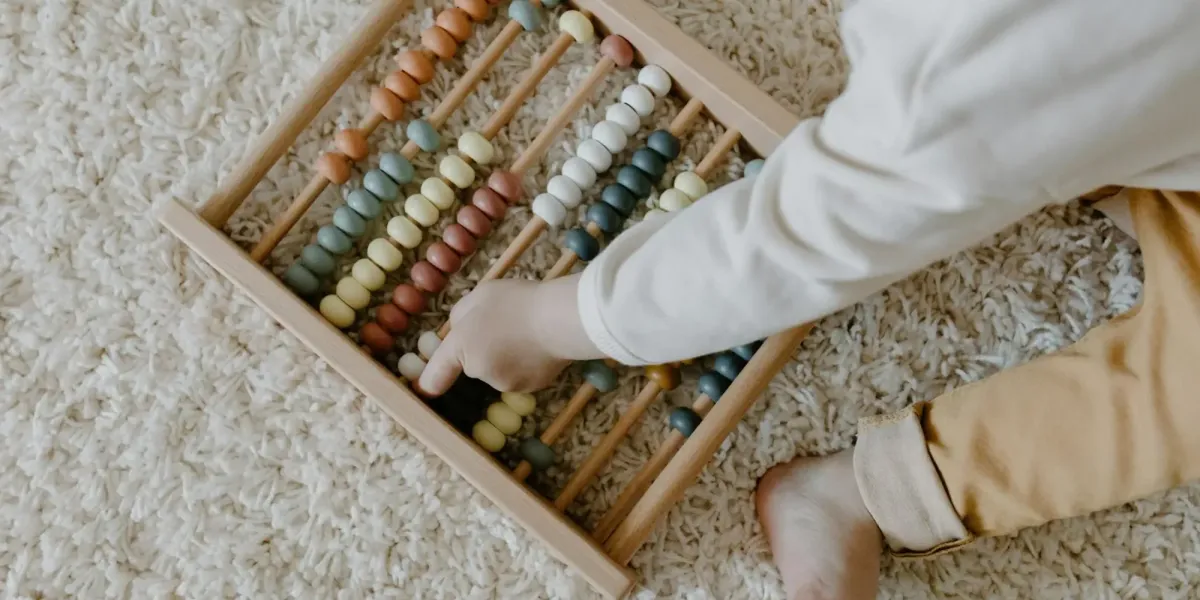
As parents, nurturing your baby's cognitive and emotional growth from an early stage is essential for their overall development. One key area to focus on is building their problem-solving skills, which form the foundation for learning, thinking, and independence. While this may sound complex for babies, even the smallest interactions contribute to developing these important abilities. In this article, we’ll explore how to encourage early problem-solving skills in babies through engaging activities, everyday routines, and loving support.
1. Understanding Early Problem-Solving Skills in Babies
Problem-solving might seem like an advanced skill, but babies start learning it almost immediately after birth. They develop the ability to recognize patterns, make sense of cause and effect, and test different solutions. These early experiences lay the groundwork for more complex cognitive abilities later in life. For example, when a baby shakes a rattle to hear the sound or reaches for a toy that’s out of reach, they are engaging in problem-solving behavior.
2. How Babies Develop Problem-Solving Abilities
Babies develop problem-solving skills in stages:
- Newborn to 6 months :
At this age, babies explore through sensory experiences. They learn that their actions can create reactions, such as pushing a toy to make it move or kicking their legs to make a mobile shake.
- 6 to 12 months :
By now, babies start to figure out how to solve more complex problems, such as how to crawl towards a toy or open a container to get a snack.
- 12 months and beyond :
As they grow, toddlers begin solving problems involving memory, patience, and reasoning, like stacking blocks to create a tower or figuring out how to fit shapes into a sorter.
3. Activities to Boost Early Problem-Solving Skills
The good news is that you can easily incorporate problem-solving activities into your daily routine! Here are some fun and effective activities:
- Peekaboo
This classic game is more than just fun—babies learn about object permanence, which is crucial for developing memory and understanding that objects still exist when they can’t see them.
- Stacking Toys
Whether it’s blocks, cups, or rings, stacking toys teach babies about balance, coordination, and cause and effect.
- Simple Puzzles
Introduce puzzles with large, easy-to-grip pieces. As babies try to fit pieces into the correct spots, they improve their problem-solving and fine motor skills.
- Exploration Time
Allow your baby to explore different textures and objects. This helps them understand the physical world and develop strategies to handle new challenges.
- Interactive Books
Books with flaps or textures encourage babies to explore, turn pages, and discover new things—perfect for cognitive growth.
4. Everyday Routines that Promote Problem-Solving
Problem-solving doesn’t just happen during playtime. Everyday routines are filled with opportunities for your baby to practice these skills:
- Meal Times
Let your baby experiment with different textures and foods, encouraging them to feed themselves. Problem-solving occurs when they learn how to pick up food or use a spoon.
- Bath Time
Give them safe water toys that float or sink, allowing them to discover how different objects behave.
- Dressing
Allow your baby to try pulling socks or shoes on or off, promoting independence and problem-solving.
5. Why Parental Support is Crucial
Your role as a parent is vital in supporting your baby’s problem-solving journey. Here’s how you can help:
- Be Patient
Let your baby try to figure things out on their own. While it might be tempting to jump in and solve a problem for them, giving them time to experiment is important for their development.
- Offer Encouragement
Cheer them on as they attempt new tasks. Positive reinforcement builds confidence and encourages babies to keep trying.
- Model Behavior
Babies learn by observing. Show them how to solve problems by demonstrating, but avoid immediately providing the solution—let them explore.
6. When to Seek Professional Advice
It’s important to remember that every baby develops at their own pace. However, if you notice that your baby is significantly behind in reaching major milestones—such as not exploring objects by 12 months or showing limited interest in cause-and-effect games—it may be a good idea to consult a pediatrician or a developmental specialist for guidance.
Conclusion
Fostering early problem-solving skills is an essential part of your baby’s development. From playtime activities to everyday routines, there are countless opportunities to help your baby learn, explore, and grow. Remember to offer plenty of encouragement, allow your little one to take the lead, and enjoy watching their problem-solving abilities blossom.
Looking for more tips on your baby’s growth and development? Explore more articles in our Parenting section on [KidsNames.in], where we offer insights, tips, and activities to help your child thrive from day one!
Popular Posts
Impact of Environment on Baby Development
As parents, we often focus on feeding, sleep routi...
Date | 10/14/2024
Developing Emotional Intelligence
As parents, we want our children to grow into conf...
Date | 10/14/2024
Motor Skills & Language Milestones
Watching your baby grow and reach new milestones i...
Date | 10/7/2024