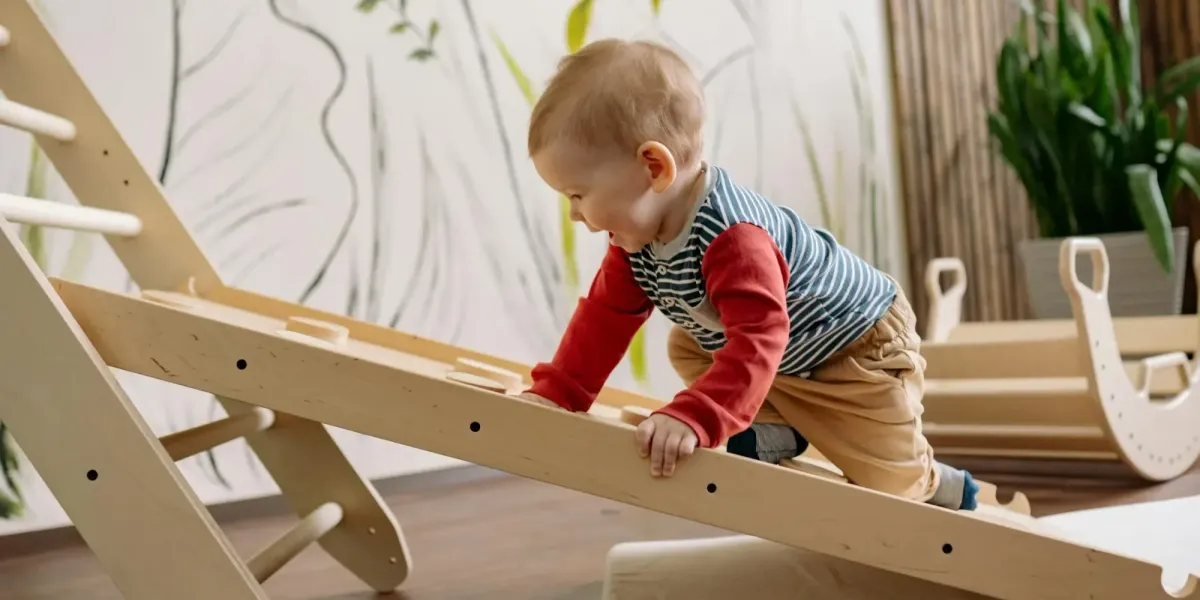
As parents, we often focus on feeding, sleep routines, and milestones, but one key factor that significantly affects a baby's growth is their environment. The world around your baby plays a crucial role in shaping their cognitive, emotional, and physical development. From the sounds they hear to the interactions they experience, the environment has a powerful influence on how they grow. In this article, we’ll explore the impact of the environment on baby development and offer insights into how you can create a nurturing space for your little one.
1. The Importance of a Stimulating Environment
Babies are born with millions of neurons, ready to form connections as they experience the world. A stimulating environment helps strengthen these connections, which are essential for learning and overall development. Providing age-appropriate toys, exposure to different textures, colors, and sounds, as well as activities like tummy time and baby talk, can promote brain development and motor skills. Early sensory experiences, such as hearing soothing music or touching soft fabrics, enhance brain activity and lead to stronger cognitive abilities later in life.
2. How Physical Surroundings Affect Development
The physical layout and condition of your home also play a part in your baby’s development. A clutter-free, safe, and organized environment fosters curiosity and exploration. Babies love to touch, crawl, and interact with their surroundings. Creating a safe space with baby-proofed areas where they can freely move helps them develop gross motor skills, balance, and coordination. Additionally, ensuring your baby’s sleeping environment is calm, with soothing colors and minimal distractions, promotes better sleep, which is vital for healthy brain growth.
3. The Role of Social Interaction
Social interaction is another key factor in baby development. Babies are wired to form connections with people, especially their parents or primary caregivers. These early bonds set the foundation for emotional security and social skills. The more a baby is talked to, smiled at, and cuddled, the more they develop emotionally. Engaging in face-to-face interactions, responding to your baby’s coos, and playing games like peek-a-boo build their understanding of communication and social cues. A rich social environment encourages language development, emotional intelligence, and empathy as they grow older.
4. The Impact of Stress and Negative Environments
While a positive environment enhances development, a stressful or negative environment can have the opposite effect. Babies are sensitive to the emotions and moods around them. If there’s constant stress, tension, or conflict in the home, it can lead to developmental delays or emotional issues. For example, excessive exposure to loud noises, shouting, or chaotic environments can cause anxiety in babies, disrupting their sleep and feeding patterns. To foster healthy development, it’s important to maintain a peaceful, nurturing atmosphere where your baby feels secure. Calm, consistent routines and positive reinforcement create a stable environment that promotes healthy emotional and mental growth.
5. The Role of Nature and Outdoor Time
Nature provides a wealth of developmental benefits for babies. Spending time outdoors, whether it's a walk in the park or just relaxing in the backyard, introduces your baby to new sensory experiences. Fresh air, sunlight, and exposure to natural sights and sounds stimulate their senses and improve overall well-being. Outdoor time also helps babies develop their motor skills as they explore different terrains, feel the grass beneath their feet, or reach for leaves. Nature has a calming effect and can reduce stress, making outdoor activities essential for both babies and parents.
6. Environmental Enrichment for Cognitive Growth
Enriching your baby's environment with educational tools and engaging activities can significantly enhance cognitive development. Books, musical toys, and interactive play help babies learn cause-and-effect relationships, improve memory, and develop problem-solving skills. Introducing different languages, shapes, and colors through toys and daily activities stimulates their cognitive abilities and lays the groundwork for future learning. Reading to your baby from an early age helps with language acquisition and cognitive growth, even if they don’t yet understand the words. The rhythm and tone of your voice, combined with the visuals in picture books, are powerful tools for stimulating brain development.
Conclusion
The environment your baby grows up in plays a pivotal role in their development. From creating a stimulating physical space to fostering emotional security through positive interactions, every aspect of their surroundings shapes their growth. As parents, you have the ability to provide a nurturing, engaging, and loving environment that will set the stage for your baby’s healthy development. By focusing on creating a safe, enriching space filled with love and interaction, you’re giving your baby the best start in life.
Popular Posts

Developing Emotional Intelligence
As parents, we want our children to grow into conf...
Date | 10/14/2024
Motor Skills & Language Milestones
Watching your baby grow and reach new milestones i...
Date | 10/7/2024