
Play is one of the most crucial aspects of childhood. It’s not just about fun; it’s a vital part of learning and growing. Among various types of play, cooperative play holds special significance for children’s social and emotional development. Cooperative play teaches kids how to work together, share, and solve problems as a team—skills that are essential for their overall social growth. In this article, we will explore how cooperative play contributes to social development and how you can encourage it in your child’s daily life.
What is Cooperative Play?
In cooperative play, children learn to express their thoughts and ideas clearly. Whether they’re working together to build a tower or play a game, they need to communicate to succeed. This helps improve both verbal and non-verbal communication skills, making them better at expressing their emotions and understanding others.
2. Teamwork & Problem-Solving
Cooperative play emphasizes teamwork, requiring children to collaborate and find solutions to challenges together. Whether they’re figuring out how to win a board game or organize a role-play scenario, cooperative play nurtures their problem-solving abilities while teaching them the value of working as a team.
3. Empathy & Emotional Regulation
By working with others, children become more aware of the emotions and needs of their peers. Cooperative play teaches kids empathy by encouraging them to consider how their actions affect others. It also helps them manage their own emotions—like frustration—when things don’t go their way.
4. Conflict Resolution
When playing together, conflicts are bound to arise. Cooperative play provides a natural environment for children to learn how to resolve disagreements in a healthy way. They get to practice negotiation, compromise, and forgiveness—skills essential for navigating relationships throughout life.
5. Self-Esteem & Confidence
Achieving shared goals during cooperative play helps boost a child’s confidence. Whether they’re building something with a group or succeeding in a team game, the positive reinforcement they receive from their peers fosters self-esteem and self-worth.
How to Encourage Cooperative Play at Home
As parents, you play a crucial role in fostering cooperative play at home. Here are some practical ways to encourage it:
1. Provide Group Activities
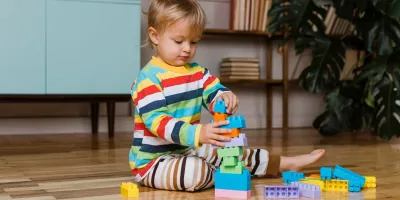
Introduce games and activities that require teamwork. Simple board games, puzzles, or building blocks are great for younger kids. For older children, cooperative video games or role-playing activities can work wonders in fostering team spirit.
2. Encourage Role-Playing
Imaginative play, like pretending to run a restaurant or playing house, encourages kids to take on roles and work together. It helps them understand different perspectives and practice cooperation in a fun, engaging way.
3. Teach Turn-Taking & Sharing
Model turn-taking and sharing from a young age. Activities like passing a ball or sharing art supplies help children learn the importance of waiting their turn and understanding that cooperation makes play more enjoyable for everyone.
4. Use Praise to Reinforce Positive Behavior
When your child successfully plays cooperatively, praise their effort and teamwork. Highlight how they listened, shared, or worked together to achieve a goal. Positive reinforcement encourages more cooperative behavior in the future.
Cooperative Play Ideas for Children
Looking for ideas to promote cooperative play? Here are a few easy and fun activities you can try:
- Building Together:
Use blocks or LEGO to create structures as a team.
- Scavenger Hunts:
Organize a team scavenger hunt where kids work together to find hidden items.
- Group Art Projects:
Create a large drawing or painting where everyone contributes to a single masterpiece.
- Sports Games:
Team sports like soccer or relay races encourage cooperation and healthy competition.
- Cooperative Board Games:
Games like "Pandemic" or "Forbidden Island" require players to work together to win, fostering teamwork and problem-solving.
Conclusion
Cooperative play is a powerful tool for social development in children. By encouraging teamwork, communication, and empathy, you’re helping your child build skills that will benefit them for life. As parents, providing opportunities for cooperative play can set the foundation for stronger, healthier social relationships in your child’s future.
Start today by incorporating cooperative activities into your child's playtime, and watch them grow into confident, empathetic individuals!
Popular Posts
Using Everyday Objects for Learning
In today's fast-paced world, parents often seek in...
Date | 10/14/2024

Top Play Activities for Babies and Toddlers
As parents, we understand that play is crucial for...
Date | 10/7/2024