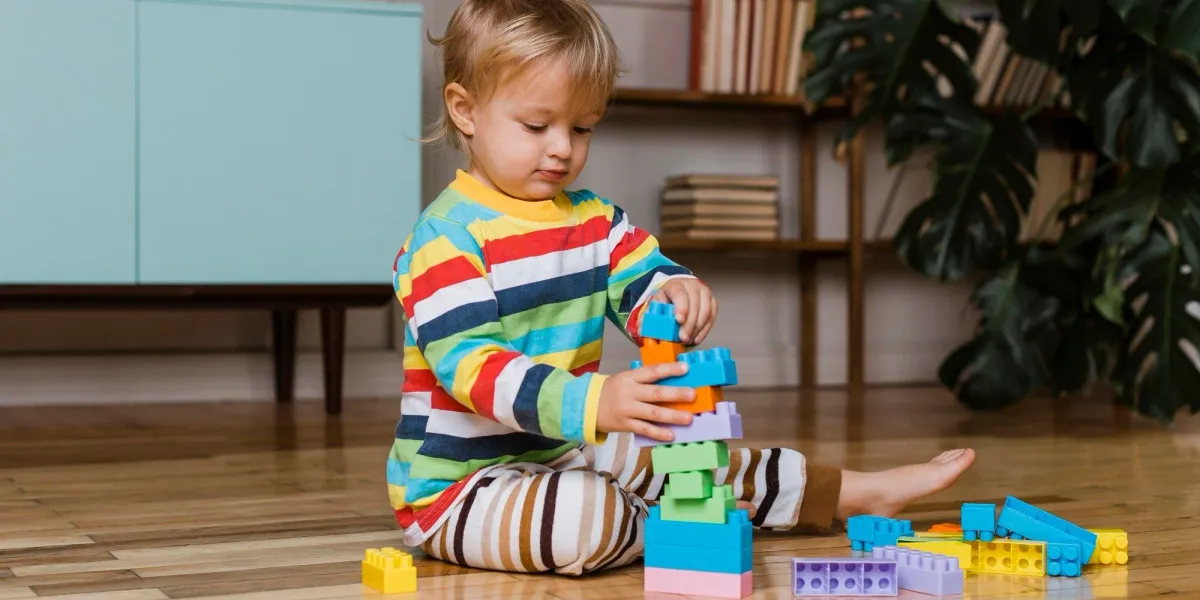
In today's fast-paced world, parents often seek innovative ways to keep their children engaged while fostering their learning and development. One effective method is utilizing everyday objects found around the home as creative learning tools. By transforming mundane items into stimulating educational resources, parents can inspire curiosity and creativity in their children. Below, we explore various ways to incorporate everyday objects into play and learning.
1. Household Items as Learning Aids
Household items such as pots, pans, and utensils can serve as excellent learning aids. For instance, measuring cups can introduce basic math concepts like volume and measurement, while pots and pans can be used for music-making sessions, teaching rhythm and sound.
- Math with Measuring Cups:
Encourage children to practice their math skills by measuring ingredients for simple recipes. This hands-on approach makes learning about fractions and measurements fun and interactive.
- Musical Instruments:
Using pots and pans as drums allows kids to experiment with sounds and rhythms, fostering a love for music while developing their auditory skills.
2. Nature's Bounty
Nature is a treasure trove of learning opportunities. Leaves, rocks, and sticks can be transformed into educational tools that engage children’s senses and spark their imagination.
- Nature Scavenger Hunts:
Create a scavenger hunt where kids collect various items from outside, like different types of leaves or stones. This activity promotes observation skills and encourages them to learn about nature and the environment.
- Art Projects with Natural Materials:
Use leaves, flowers, and twigs to create art. These projects can help children explore colors, shapes, and textures, enhancing their artistic abilities.
3. Recyclable Materials
Recyclable materials like cardboard boxes, plastic bottles, and paper can be repurposed for various educational activities, turning trash into treasure.
- Building Projects:
Cardboard boxes can become forts, castles, or even robots. This kind of imaginative play encourages creativity and problem-solving skills as kids figure out how to construct their designs.
- Science Experiments:
Use plastic bottles to create a simple water cycle model or a homemade volcano. These hands-on science experiments can make abstract concepts tangible and exciting for kids.
4. Toys that Teach
While traditional toys have their place, everyday objects can also serve as powerful learning tools.
- Sorting and Counting with Buttons:
Collect buttons of different colors and sizes for sorting activities. Kids can practice counting, pattern recognition, and fine motor skills as they sort and categorize the buttons.
- Storytelling with Household Objects:
Encourage children to use everyday objects to create their stories. A spoon might become a magical wand, while a blanket could turn into a cozy cave. This fosters language development and imaginative thinking.
5. Interactive Learning
Creating an interactive learning environment at home can significantly enhance a child’s educational experience.
- Obstacle Courses:
Use cushions, chairs, and other furniture to create an indoor obstacle course. This encourages physical activity while teaching spatial awareness and coordination.
- Role Play with Everyday Objects:
Set up a pretend play scenario using items like old clothes, kitchen utensils, or empty boxes. Children can take on different roles, promoting social skills and imaginative play.
Conclusion
Using everyday objects for learning offers countless opportunities to engage children in play while nurturing their development. By transforming ordinary items into creative learning tools, parents can foster an environment that encourages curiosity, problem-solving, and imagination. So next time you see a simple household item, consider how it can be a catalyst for learning and play in your child’s life. Embrace the power of creativity and watch your child's learning journey flourish!
Popular Posts

Cooperative Play for Social Development
Play is one of the most crucial aspects of childho...
Date | 10/14/2024

Top Play Activities for Babies and Toddlers
As parents, we understand that play is crucial for...
Date | 10/7/2024