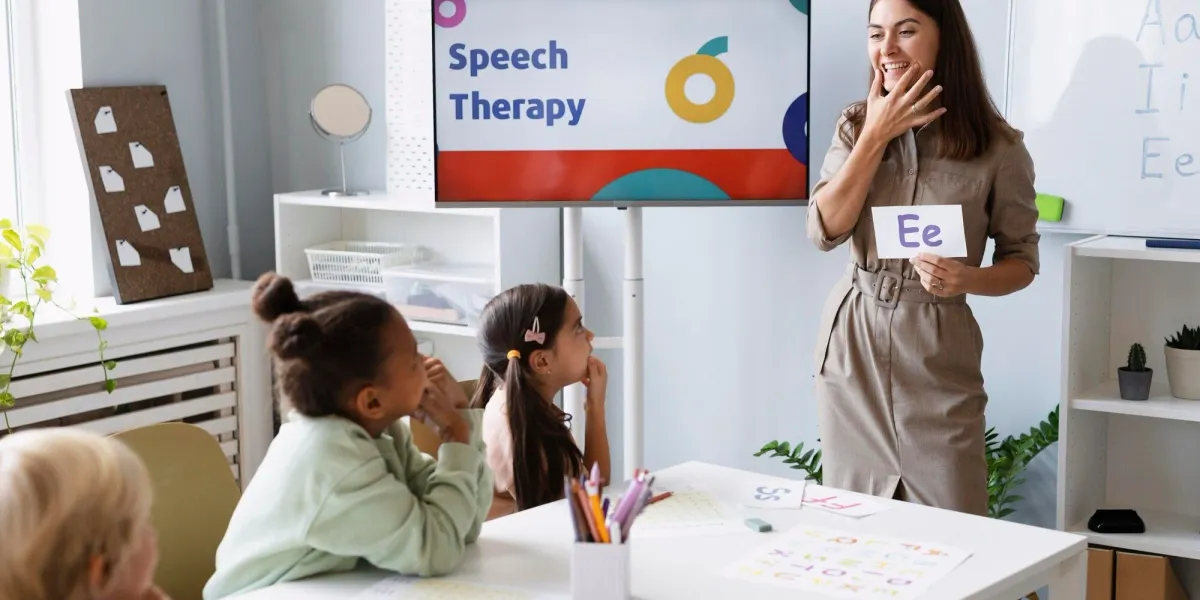
As a parent, watching your toddler transition from babbling to speaking their first words is one of the most exciting milestones. Speech development plays a vital role in your child's overall growth, influencing their ability to express themselves, socialize, and learn. Supporting your toddler during this phase can make a big difference, and there are several ways to promote speech development effectively.
Understanding Speech Development in Toddlers
Between the ages of 1 and 3, toddlers experience significant speech and language development. Most toddlers will start speaking single words around 12 months, form simple sentences by 18-24 months, and have a vocabulary explosion by age 3. However, each child develops at their own pace, so it's essential to provide a nurturing environment without pressure.
1. Encourage Conversations Early On
Even before your toddler starts talking, they are constantly learning from your speech. Engage them in conversations by responding to their babbles, gestures, and non-verbal communication. When they make a sound, mimic it back to them and expand upon it with real words. For instance, if your child says "ba," you can say, "Yes, that's a ball!"
Tips :
Maintain eye contact when speaking to them.
Use short and simple sentences to help them grasp the language better.
Always give them time to respond, even if it’s just a gesture or a sound.
2. Read Together Regularly
Reading to your toddler is one of the best ways to introduce new vocabulary and help them associate words with meanings. Books with colorful illustrations, rhymes, and repetition are particularly helpful. As you read, point to pictures and say the names of objects. Ask your toddler questions like, "Where's the cat?" to engage them in identifying words.
Book Recommendations:
Picture books with minimal text like Goodnight Moon or Brown Bear, Brown Bear.
Books with rhythm and rhyme such as The Very Hungry Caterpillar.
3. Name Everyday Objects
Throughout the day, name objects that are part of your toddler’s routine. When you’re in the kitchen, point to a spoon and say, “This is a spoon!” Label their toys, clothes, body parts, and food items to expand their vocabulary. Repetition is key—hearing a word repeatedly helps solidify its meaning.
Fun Tip:
Turn naming objects into a game. For example, say, “Where’s the car?” and cheer when they point to it.
4. Sing Songs and Rhymes
Singing is an excellent way to introduce new words and patterns. Songs with actions, such as “Itsy Bitsy Spider” or “Wheels on the Bus,” encourage your toddler to associate words with movements. Nursery rhymes also have a rhythmic flow that makes learning language fun and memorable.
Activity Suggestion:
Create a daily "song time" where you sing songs that include movements or clapping to keep your toddler engaged.
5. Limit Screen Time
While some educational shows can introduce words, face-to-face interactions are far more effective for speech development. The American Academy of Pediatrics recommends limited screen time for children under two years old. Instead of screen time, focus on interactive play, reading, and conversation, which all directly contribute to your toddler’s speech and language growth.
6. Play and Interact
Toddlers learn through play. Engaging them in pretend play with toys such as dolls, cars, or kitchen sets helps encourage speech. Narrate the play by saying, “The doll is eating” or “The car is going fast.” This not only exposes them to action words but also encourages them to mimic you.
Interactive Games:
Play "peek-a-boo" and "hide-and-seek" while using short phrases like "Where are you?" and "I found you!"
7. Be Patient and Supportive
Each toddler develops at their own pace, so it's crucial to remain patient. Encourage them when they attempt to communicate and avoid correcting them too often. Instead, model the correct words or sentence structure. For instance, if your toddler says "Doggy run," you can reply with, “Yes, the dog is running.”
Parental Guidance:
Celebrate their progress, whether they master a new word or use a two-word sentence for the first time.
When to Seek Professional Help
If your toddler isn't speaking by 18 months or has very limited vocabulary by age 2, it's a good idea to consult with a pediatrician or speech-language therapist. Early intervention can be highly effective in addressing potential speech delays.
Conclusion
Promoting speech development in toddlers requires active engagement, patience, and a nurturing environment. Through conversations, reading, play, and everyday interactions, you can foster a love for language in your little one and support them on their journey to becoming a confident speaker.
Popular Posts

Socializing Toddlers Playgroups and More
As toddlers begin to explore the world, socializin...
Date | 10/14/2024
Toddler Nutrition - Balancing Meals
As your baby transitions into toddlerhood, their n...
Date | 10/14/2024