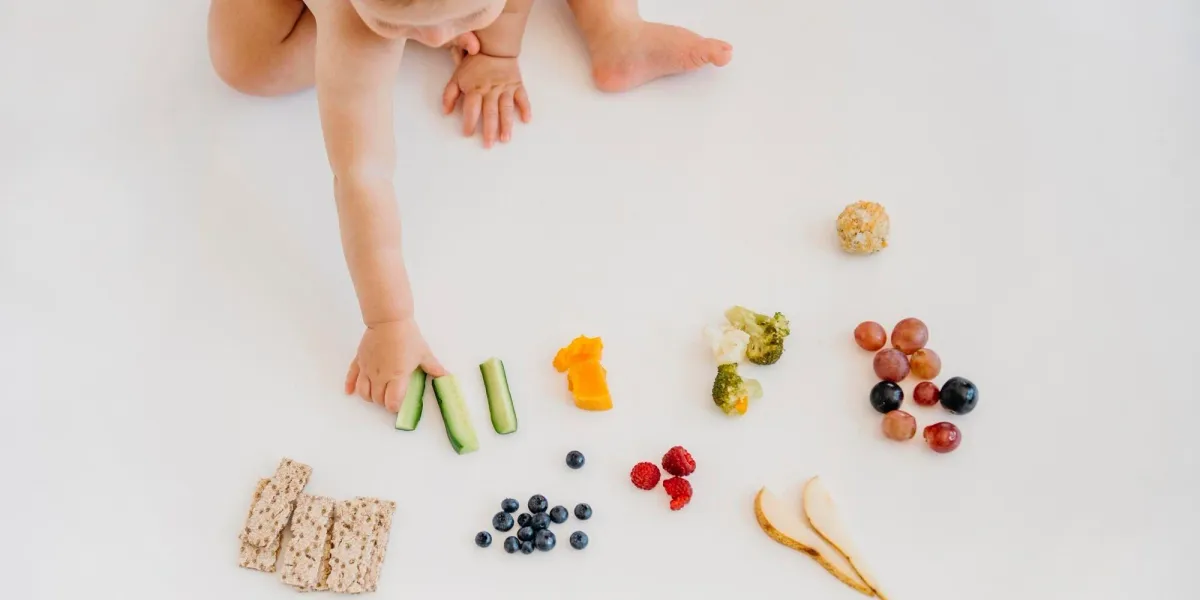
As your baby transitions into toddlerhood, their nutrition becomes a crucial aspect of their overall health and development. Toddlers, full of energy and curiosity, need balanced meals that fuel their growth while keeping them active throughout the day. Striking the right balance in their diet ensures that they receive essential nutrients without overwhelming their tiny bodies. In this guide, we'll dive deep into the art of crafting balanced meals for your toddler.
Understanding Toddler Nutrition
Toddlers grow at a rapid pace, and their nutritional needs differ from those of infants or older children. At this stage, they're learning to eat independently, exploring new flavors, and developing their food preferences. Their meals should provide the right mix of proteins, carbohydrates, healthy fats, vitamins, and minerals to support their growth and boost immunity.
1. Balancing the Food Groups
A well-balanced meal for your toddler should include a variety of food groups:
- Proteins:
Lean meats like chicken or turkey, beans, lentils, eggs, and tofu are excellent sources of protein, which is essential for muscle development.
- Carbohydrates:
Whole grains such as brown rice, oats, and whole-wheat pasta or bread provide the energy needed for their active bodies and developing brains.
- Fats:
Healthy fats from avocados, olive oil, and nut butters are crucial for brain development and hormone regulation.
- Fruits and Vegetables:
Aim for a colorful plate! Fruits and vegetables provide essential vitamins, minerals, and fiber. Variety also introduces your toddler to different textures and flavors.
- Dairy:
If your toddler isn't lactose intolerant, dairy products like milk, yogurt, and cheese are great sources of calcium and vitamin D, both of which are vital for bone health.
2. Portion Control for Toddlers
It's important to remember that toddlers have small stomachs. Overfeeding or underfeeding can both lead to issues. Here's a general guideline:
- Protein:
About 2-3 tablespoons per meal.
- Grains:
A quarter cup of whole grains or ½ slice of bread.
- Fruits and Vegetables:
Offer 2-3 tablespoons of each per meal.
- Dairy:
About ½ to 1 cup of milk or equivalent dairy product.
Let your toddler’s appetite guide you—sometimes they may eat more, sometimes less, but ensuring balanced nutrition across the week is key.
3. Handling Picky Eating
Most toddlers are naturally picky eaters, refusing certain foods one day only to love them the next. To manage this:
- Introduce New Foods Gradually:
Keep offering a variety of foods even if they refuse at first. It may take several tries before they accept a new taste or texture.
- Offer Choices:
Let your toddler choose between two healthy options. This gives them some control over their meals and can reduce food battles.
- Be Creative:
Use fun shapes or combine disliked foods with favorites. For example, you can mix vegetables into a smoothie or serve them with a favorite dip.
4. Sample Balanced Toddler Meal Ideas
Here are a few easy-to-prepare, balanced meal ideas:
- Breakfast:
Oatmeal with mashed banana and a spoonful of peanut butter, plus a side of milk.
- Lunch:
Whole-grain sandwich with mashed avocado and shredded chicken, served with carrot sticks and hummus.
- Dinner:
Brown rice, steamed broccoli, and baked salmon, with a small serving of fresh berries for dessert.
- Snacks:
Offer healthy snacks like yogurt with fruit, sliced apples with almond butter, or a handful of whole-grain crackers and cheese cubes.
5. Staying Hydrated
Toddlers need to stay hydrated, but sugary drinks like sodas or fruit juices should be limited. Water and milk are the best options. Aim to give them water throughout the day, especially during meals and after playtime. If you do offer juice, make sure it’s 100% fruit juice and keep it to no more than ½ cup per day.
6. Dealing with Allergies
Food allergies are common in toddlers. Common allergens include peanuts, tree nuts, eggs, milk, wheat, soy, and shellfish. When introducing these foods, watch for reactions such as hives, swelling, vomiting, or breathing difficulties. Always introduce new foods one at a time, and consult your pediatrician if you suspect any allergies.
7. Making Mealtime Enjoyable
Mealtime should be a positive experience. Create a routine by serving meals at the same time each day and eat together as a family when possible. Avoid distractions like TV or tablets during meals to encourage mindful eating. Also, praise your toddler when they try new foods or finish their meals—positive reinforcement goes a long way.
Balanced meals are the foundation of healthy growth during the toddler years. By offering a variety of nutritious foods in the right portions and keeping mealtimes enjoyable, you set your toddler up for a lifetime of healthy eating habits. Remember, consistency is key, so don’t stress over occasional food refusals or picky eating phases. With patience and creativity, your toddler will learn to embrace a well-rounded, nutritious diet
Popular Posts

Socializing Toddlers Playgroups and More
As toddlers begin to explore the world, socializin...
Date | 10/14/2024
Promoting Speech Development in Toddlers
As a parent, watching your toddler transition from...
Date | 10/14/2024