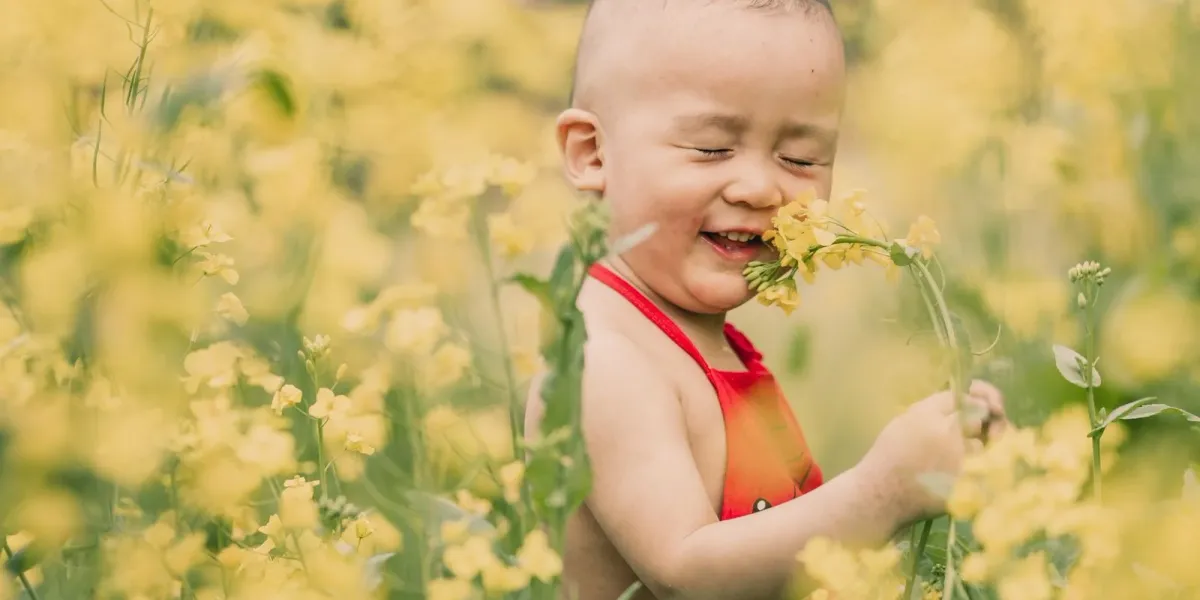
The toddler stage is a time of immense growth and development for your child. As they transition from babyhood to a more independent phase, toddlers experience rapid changes in behavior, language, and social interactions. As a parent, understanding these changes and providing the right support can help your toddler thrive. Here’s a comprehensive guide on key aspects of toddler care, including discipline, learning activities, transitioning from babyhood, and language development.
Discipline and Behavior
Disciplining a toddler can be challenging, but it is essential for their growth and understanding of boundaries. At this age, children are naturally curious, often testing limits and exploring their environment. Here are some effective strategies to guide your toddler’s behavior:
- Set Clear Boundaries:
Clearly define acceptable behavior and ensure your toddler understands the rules. Use simple language and repeat these rules regularly.
- Positive Reinforcement:
Celebrate good behavior with praise and rewards. This reinforces positive actions and encourages your toddler to repeat them.
- Redirect Attention:
If your toddler is engaging in inappropriate behavior, redirect their attention to a more suitable activity. This helps them learn without feeling punished.
- Time-Outs:
For more serious behavior issues, consider implementing a time-out. This gives your child a moment to calm down and reflect on their actions.
- Stay Calm and Consistent:
Your response to behavior should be calm and consistent. Reacting with anger or frustration can confuse your toddler.
By focusing on understanding their behavior and providing a supportive environment, you can help your toddler navigate this stage of growth.
Learning and Play Activities
Play is a fundamental aspect of a toddler’s development, fostering creativity and learning. Here are some engaging activities that can enhance your toddler's learning experience:
- Sensory Play:
Activities involving different textures, colors, and shapes can stimulate your toddler’s senses. Consider using materials like playdough, sand, or water for hands-on exploration.
- Art and Craft:
Simple art projects, such as finger painting or collage making, encourage creativity and fine motor skills. Let your toddler express themselves freely with various materials.
- Storytime:
Reading aloud to your toddler not only nurtures their imagination but also promotes language development. Choose colorful picture books that captivate their interest.
- Pretend Play:
Encourage imaginative play with toys like dolls, kitchen sets, or costumes. Pretend play helps toddlers understand the world around them and develop social skills.
- Outdoor Activities:
Explore parks or open spaces where your toddler can run, jump, and climb. Outdoor play enhances physical development and encourages curiosity about nature.
By integrating these learning and play activities into your daily routine, you can create a stimulating environment that nurtures your toddler's development.
Transition from Baby to Toddler Stage
The transition from baby to toddler can be a significant change for both parents and children. Here are some tips to help ease this transition:
- Encourage Independence:
As your child grows, foster their independence by allowing them to make choices, such as selecting their clothes or snacks. This boosts their confidence and decision-making skills.
- Establish Routines:
Routines provide a sense of security for toddlers. Create consistent daily schedules for meals, naps, and playtime to help your child feel stable.
- Communicate Openly:
As your toddler begins to understand more complex ideas, engage them in conversation. Explain new concepts, and ask open-ended questions to encourage critical thinking.
- Be Patient:
Understand that this transition is a process, and challenges may arise. Offer comfort and reassurance as your toddler navigates their new world.
- Celebrate Milestones:
Acknowledge and celebrate developmental milestones, such as walking, talking, and potty training. This encourages your child and reinforces their sense of achievement.
By being proactive and supportive during this transition, you can help your toddler embrace their growing independence and new experiences.
Language Development
Language development is a crucial part of toddler growth, as they begin to express themselves verbally. Here are some ways to support your toddler's language skills:
- Talk Often:
Engage your toddler in conversation throughout the day. Describe your actions, ask questions, and encourage them to share their thoughts.
- Sing Songs and Nursery Rhymes:
Music helps with language acquisition. Sing simple songs and rhymes together, emphasizing rhythm and repetition.
- Expand Vocabulary:
Introduce new words in context. For example, if your toddler sees a dog, say, "Look at the big, brown dog!" This helps them understand the connection between words and their meanings.
- Encourage Storytelling:
Ask your toddler to narrate their experiences or make up stories. This boosts their confidence and creativity while enhancing language skills.
- Limit Screen Time:
While educational programs can be beneficial, excessive screen time can hinder language development. Engage in interactive activities that promote conversation instead.
By actively supporting your toddler's language development, you equip them with the tools they need to communicate effectively.
Conclusion
Caring for a toddler is both rewarding and challenging. By understanding their behavior, providing enriching activities, easing their transition from babyhood, and fostering language development, you can create a nurturing environment that supports your child's growth. Remember, every child develops at their own pace, so be patient and celebrate each milestone along the way. Your love and guidance will help them flourish into confident, independent individuals.
For more information on toddler care, check out our guides on [kidsnames.in.]
Popular Posts

Socializing Toddlers Playgroups and More
As toddlers begin to explore the world, socializin...
Date | 10/14/2024
Promoting Speech Development in Toddlers
As a parent, watching your toddler transition from...
Date | 10/14/2024
Toddler Nutrition - Balancing Meals
As your baby transitions into toddlerhood, their n...
Date | 10/14/2024